
Why Engineers Choose PTFE Components for Critical Applications
Chemical Resistance
PTFE offers exceptional resistance to virtually all chemicals and solvents, with a chemical inertness rating superior to most engineering plastics, making it ideal for aggressive chemical environments.
Temperature Stability
Maintains mechanical properties from -200°C to +260°C, providing reliable performance across extreme temperature ranges where other polymers would degrade or fail.
Low Friction Coefficient
With a friction coefficient of 0.05-0.10, PTFE provides self-lubricating properties that reduce wear, extend component life, and improve energy efficiency in mechanical systems.
Electrical Insulation
Superior dielectric properties with a dielectric constant of 2.1 and dielectric strength of 60kV/mm, making it an excellent insulator for high-frequency and high-voltage applications.
Non-Stick Surface
The lowest surface energy (18 dynes/cm) of any solid material creates exceptional non-stick properties, preventing material buildup and facilitating clean operation in process equipment.
FDA & USP Class VI Compliant
Meets stringent regulatory requirements for food, pharmaceutical, and medical applications, ensuring safety and compliance in regulated industries.
Precision-Engineered PTFE Products
Our comprehensive range of machined PTFE components is manufactured using advanced processing techniques to meet the most demanding engineering specifications.
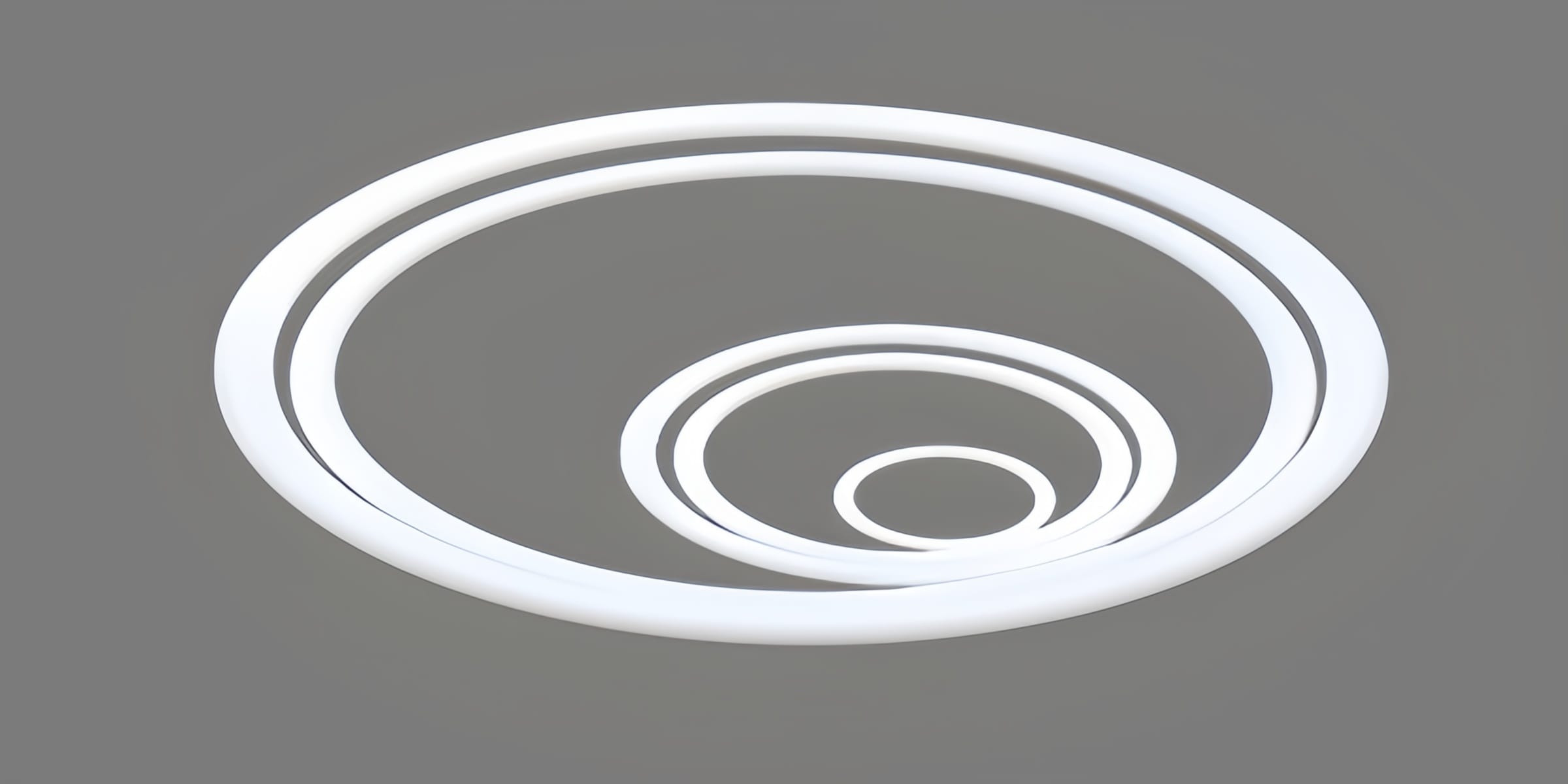
PTFE O-Rings & Seals
Our PTFE sealing solutions provide exceptional chemical resistance and temperature stability for critical sealing applications where traditional elastomers would fail.
- Encapsulated O-Rings: PTFE jacket with elastomeric core combining chemical resistance with elasticity
- Gaskets: Custom-engineered for flange sealing in chemical processing equipment
- Lip Seals: Precision-machined for rotary and reciprocating applications
- V-Rings & Chevron Packings: Multi-component sealing systems for high-pressure applications
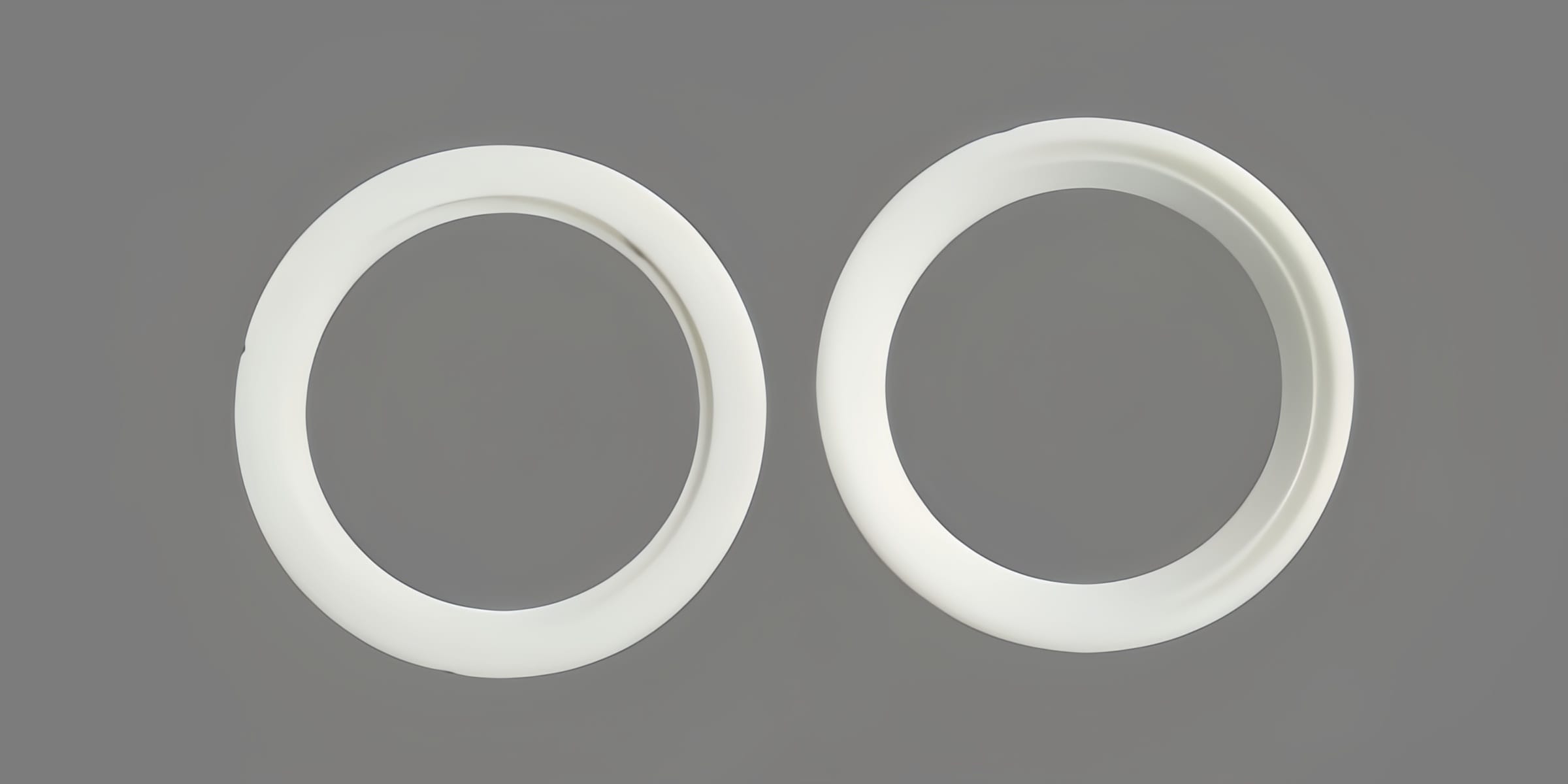
PTFE Ball Valve Seats
Our precision machined PTFE ball valve seats provide exceptional sealing performance in demanding flow control applications across chemical processing, oil & gas, and pharmaceutical industries.
- Virgin PTFE Seats: For general chemical applications with temperature range -50°C to +200°C
- Glass-Filled PTFE: Enhanced mechanical properties for higher pressure applications
- Carbon-Filled PTFE: Improved wear resistance and thermal conductivity
- Spring-Energized Seats: For critical zero-leakage applications
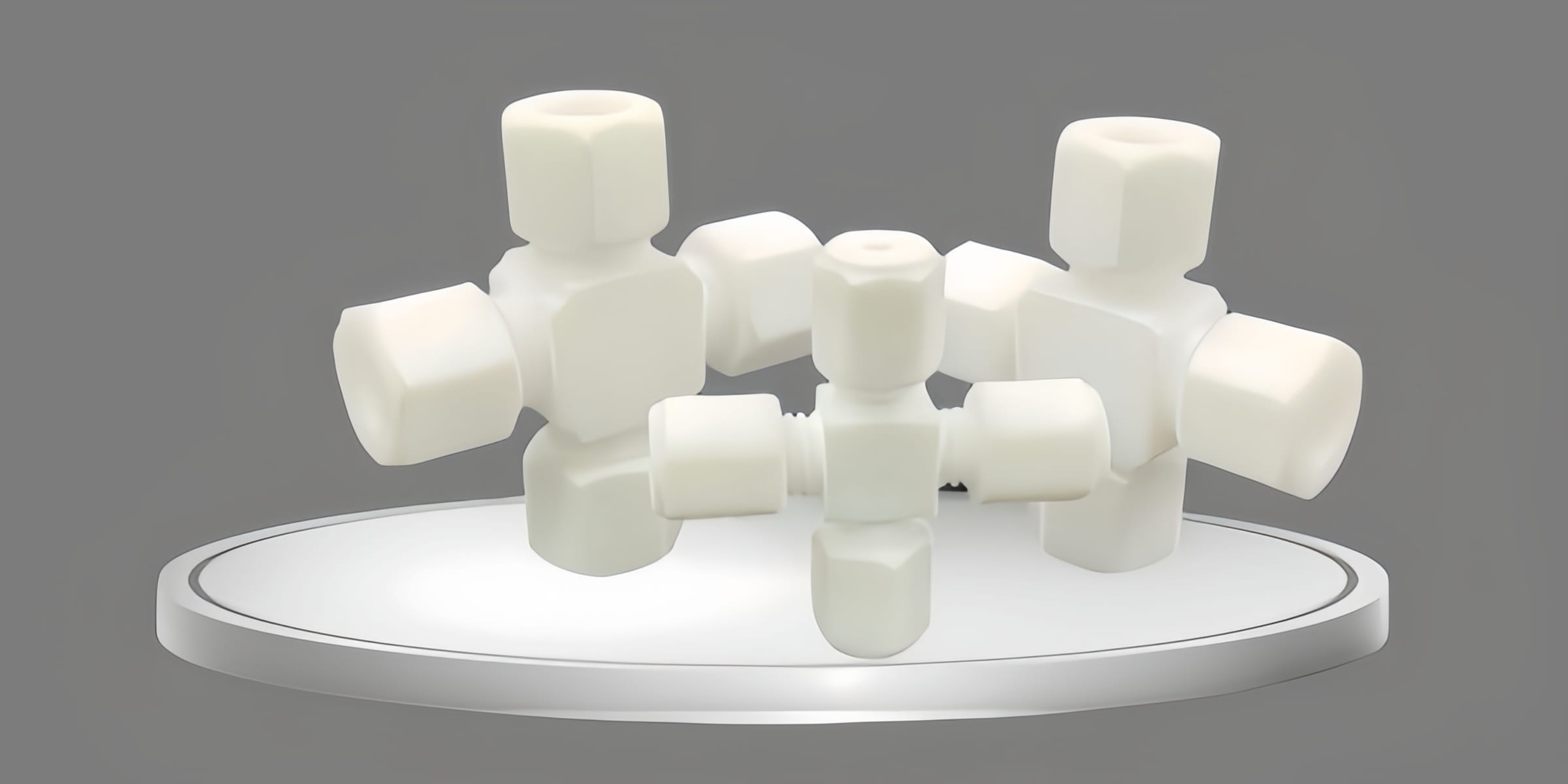
PTFE Pipe Fittings
Our PTFE pipe fittings provide superior chemical resistance for the safe transport of aggressive chemicals, high-purity fluids, and corrosive media where metal or other plastic fittings would deteriorate.
- Flanges: ANSI and DIN standards with various pressure ratings
- Elbows & Tees: Precision-molded for smooth flow characteristics
- Reducers: Concentric and eccentric designs for flow optimization
- Lined Pipe Systems: PTFE-lined steel for combined strength and chemical resistance
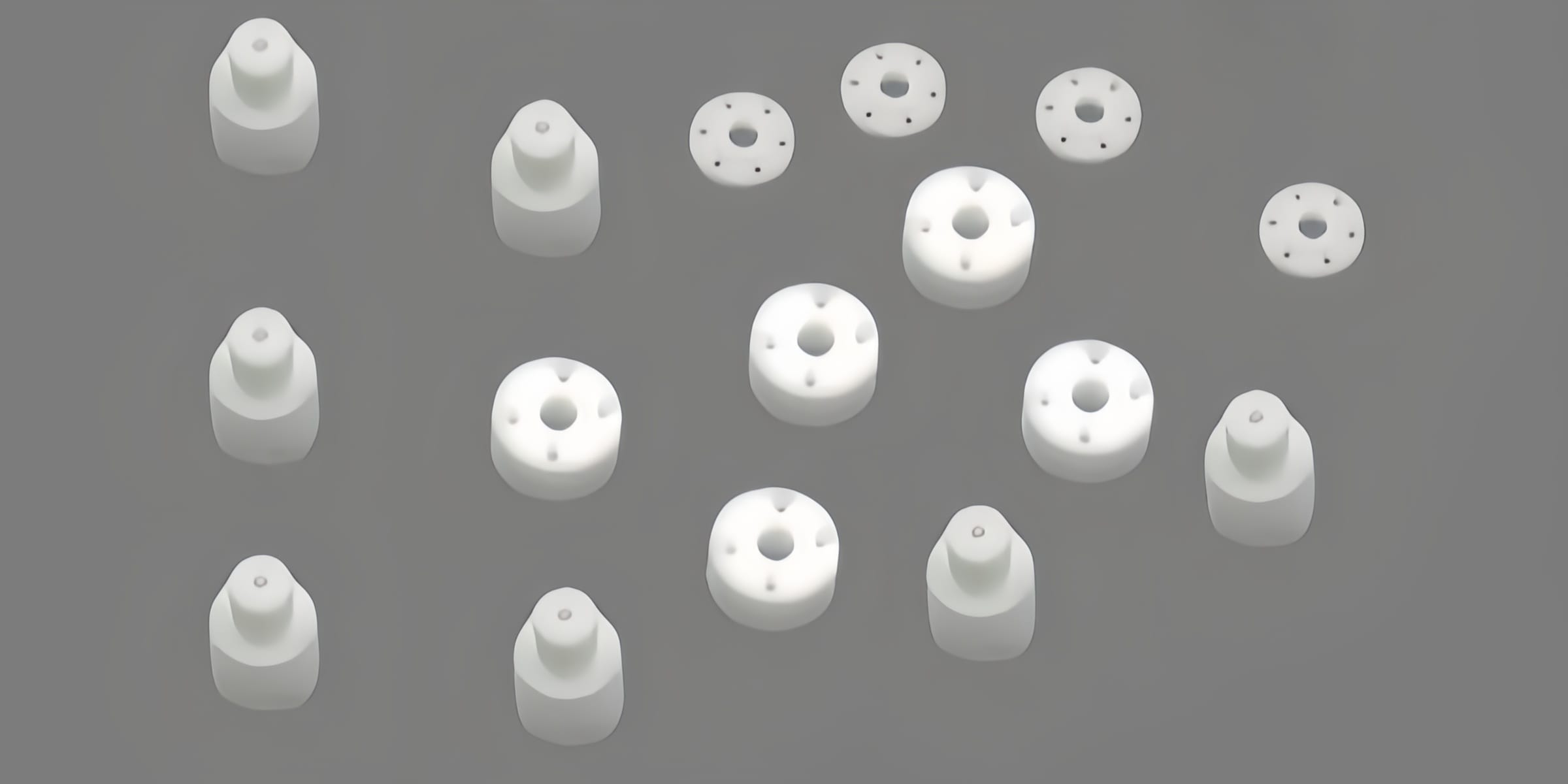
PTFE Electrical Insulators
Our PTFE electrical components provide exceptional dielectric properties, high-frequency performance, and temperature stability for demanding electrical and electronic applications.
- Terminal Blocks: High-voltage insulation with excellent arc resistance
- Standoffs & Bushings: Precision-machined for critical dimensional stability
- RF Components: Low dielectric loss for high-frequency applications
- Wire Insulation: Thin-wall PTFE tubing for high-temperature environments
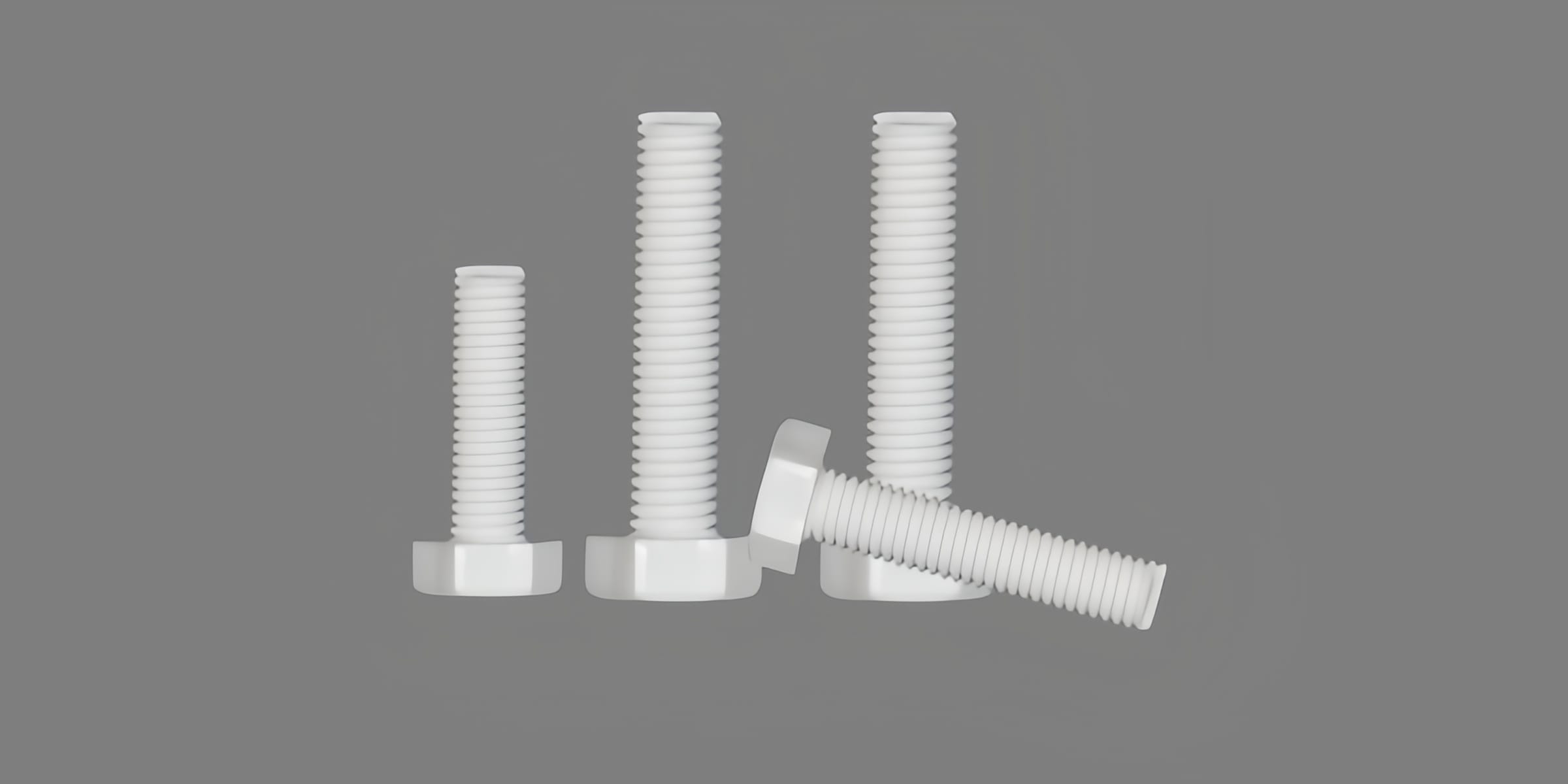
PTFE Fasteners
Our PTFE fasteners provide chemical resistance and electrical insulation for applications where metal fasteners would corrode or create unwanted electrical connections.
- Bolts & Nuts: Full PTFE or glass-reinforced for improved mechanical strength
- Washers: Flat and spring designs for various sealing applications
- Screws: Self-tapping and machine thread designs
- Threaded Rods: Custom lengths and diameters for specialized applications
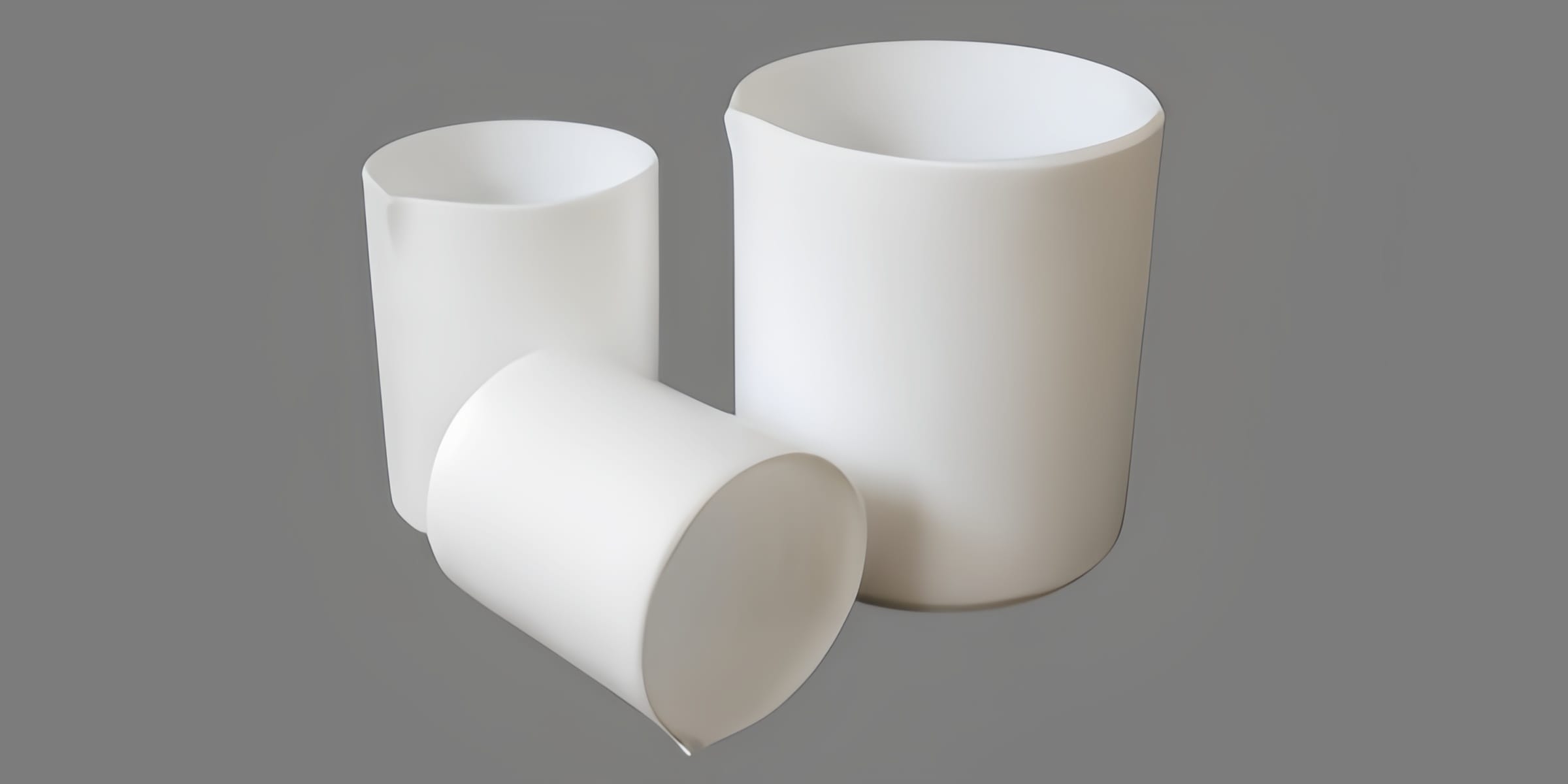
PTFE Containers
Our PTFE containers provide unmatched chemical compatibility for storing and processing aggressive chemicals, high-purity reagents, and sensitive compounds without contamination.
- Beakers & Vessels: For chemical processing and laboratory applications
- Tanks: Custom-designed for specific chemical storage requirements
- Lined Containers: PTFE-lined steel for combined strength and chemical resistance
- Sample Containers: High-purity storage for analytical samples
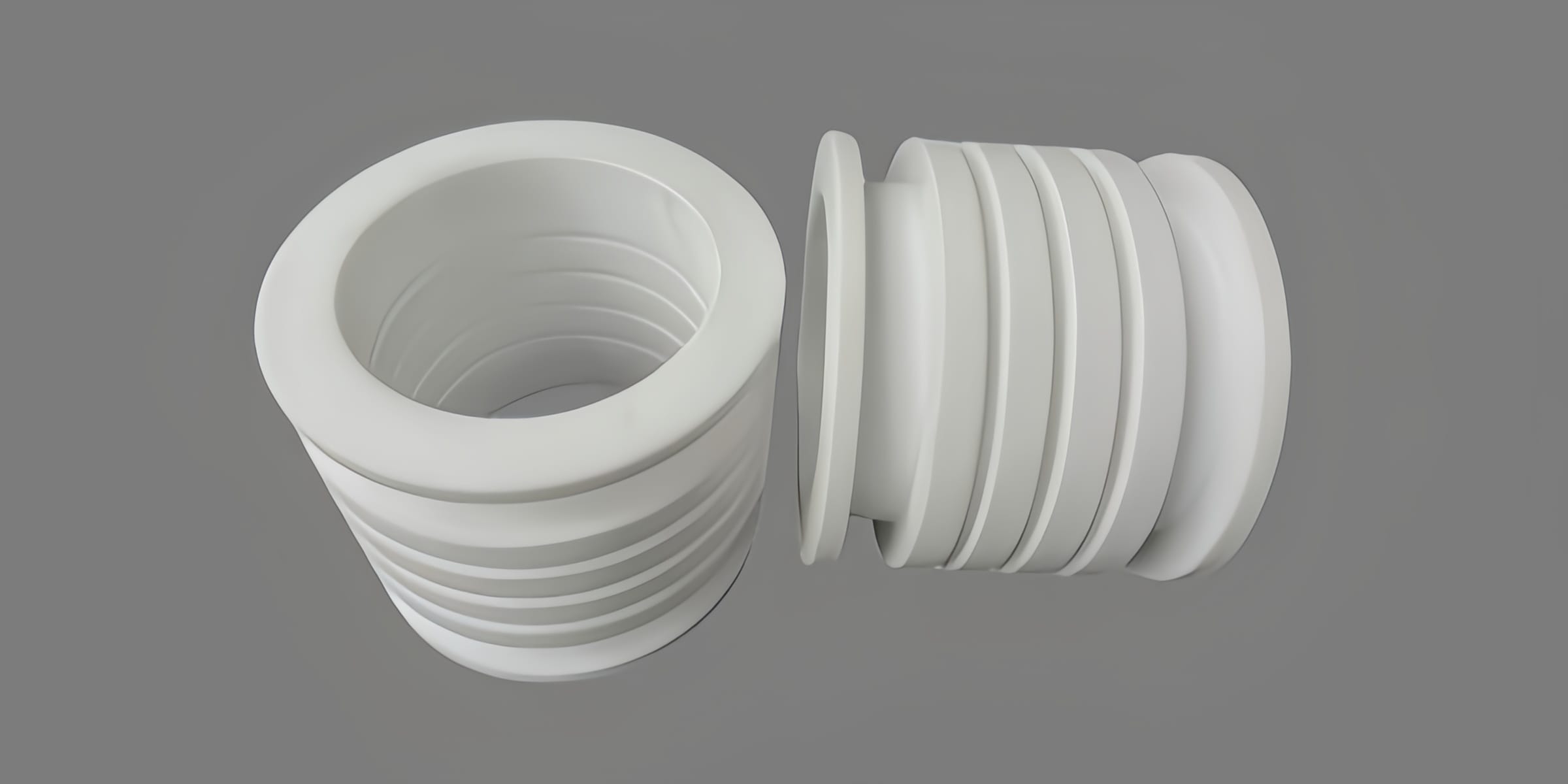
PTFE Bellows
Our PTFE bellows provide flexible, chemically resistant connections for handling aggressive media in applications requiring movement compensation, vibration isolation, or thermal expansion accommodation.
- Expansion Joints: For thermal expansion compensation in piping systems
- Pump Connectors: Vibration isolation for sensitive equipment
- Valve Stem Seals: Dynamic sealing for valve actuators
- Custom Configurations: Engineered for specific movement requirements
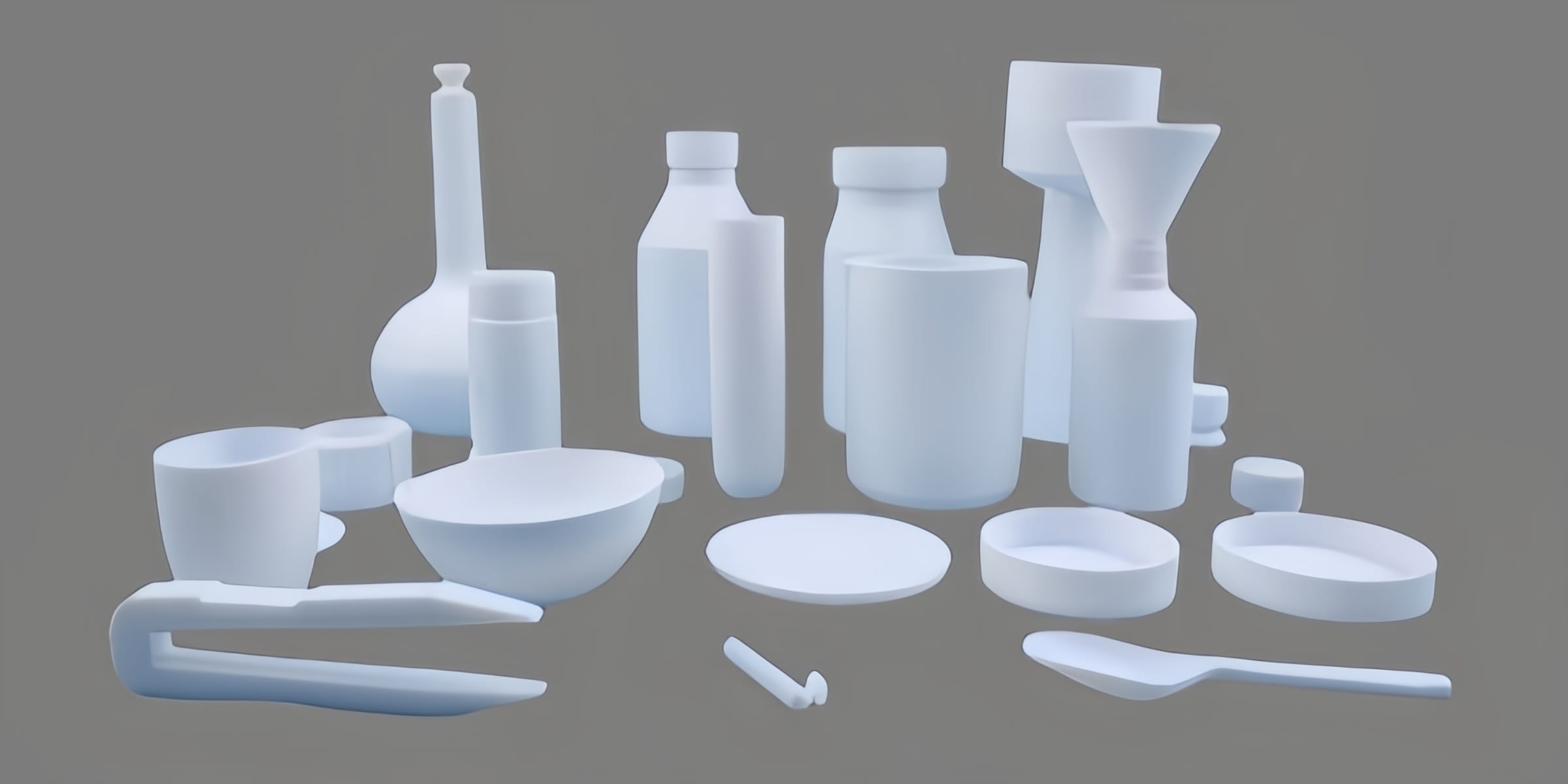
PTFE Labware
Our PTFE laboratory equipment provides chemical inertness and contamination-free surfaces for analytical, research, and quality control applications where material compatibility is critical.
- Beakers & Flasks: For handling aggressive chemicals and solvents
- Stirring Rods & Spatulas: Non-contaminating sample handling
- Funnels & Filters: Chemical-resistant filtration equipment
- Sample Preparation Equipment: For analytical and research applications
Custom PTFE Components
Our engineering team specializes in developing custom PTFE solutions for unique application requirements where standard components are not suitable.
- Design Assistance: Engineering support from concept to production
- Material Selection: Guidance on optimal PTFE compounds for specific applications
- Prototyping: Rapid development of test components
- Quality Validation: Comprehensive testing to ensure performance requirements
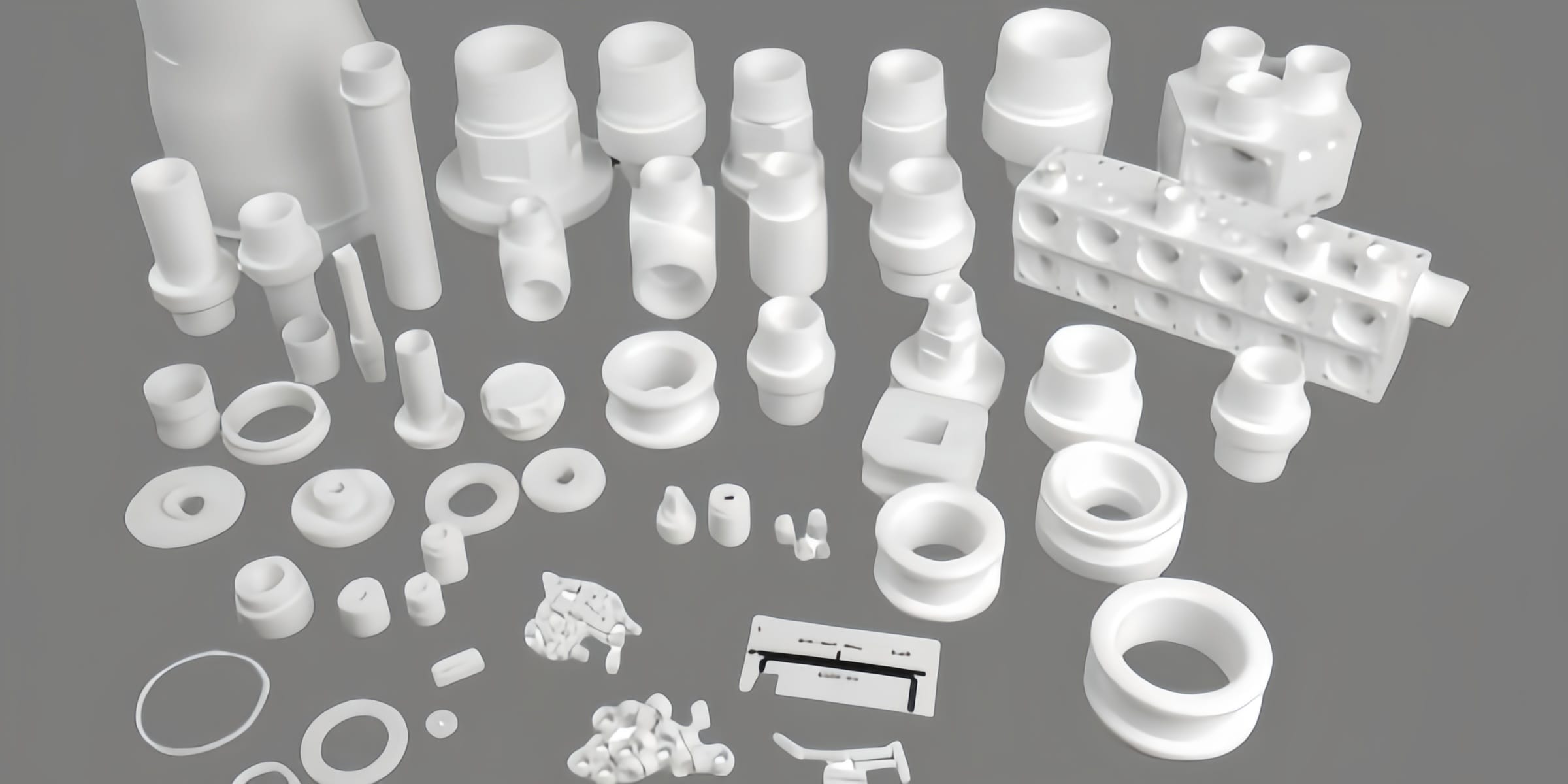
Industry Applications of Machined PTFE components
Machined PTFE components deliver exceptional performance across diverse industries where chemical resistance, temperature stability, and low friction are critical requirements.
Chemical Processing
- Acid and alkali handling equipment
- Corrosion-resistant valve components
- Chemical transfer line components
- Reactor vessel linings and seals
Pharmaceutical
- USP Class VI compliant components
- High-purity fluid handling systems
- Sterile process equipment components
- Laboratory and analytical equipment
Semiconductor
- Ultra-high purity gas delivery components
- Chemical delivery system components
- Wafer processing equipment parts
- Plasma-resistant components
Oil & Gas
- Downhole equipment seals
- Valve seats for sour gas service
- Pipeline expansion joints
- Chemical injection system components
Food & Beverage
- FDA-compliant processing equipment
- CIP/SIP-compatible components
- Non-stick conveyor components
- Sanitary fittings and gaskets
Aerospace & Defense
- Fuel system components
- Hydraulic system seals
- High-frequency electrical insulators
- Extreme environment components
Technical Specifications of PTFE Material
Our PTFE materials meet or exceed industry standards with precisely controlled properties for optimal performance in demanding applications.
Material Properties
| Property | Value | Test Method |
|---|---|---|
| Density | 2.14 - 2.20 g/cm³ | ASTM D792 |
| Tensile Strength | 20 - 30 MPa | ASTM D638 |
| Elongation at Break | 200 - 400% | ASTM D638 |
| Hardness | 50 - 65 Shore D | ASTM D2240 |
| Coefficient of Friction | 0.05 - 0.10 | ASTM D1894 |
| Water Absorption | <0.01% | ASTM D570 |
Thermal Properties
| Property | Value | Test Method |
|---|---|---|
| Melting Point | 327°C | ASTM D4591 |
| Continuous Service Temperature | -200°C to +260°C | - |
| Thermal Conductivity | 0.25 W/m·K | ASTM C177 |
| Coefficient of Thermal Expansion | 12 - 15 × 10⁻⁵/°C | ASTM D696 |
| Heat Deflection Temperature | 120°C at 0.46 MPa | ASTM D648 |
| Flammability Rating | V-0 | UL 94 |
Electrical Properties
| Property | Value | Test Method |
|---|---|---|
| Dielectric Constant | 2.1 at 1 MHz | ASTM D150 |
| Dielectric Strength | 60 kV/mm | ASTM D149 |
| Volume Resistivity | 10¹⁸ Ω·cm | ASTM D257 |
| Surface Resistivity | 10¹⁷ Ω/sq | ASTM D257 |
| Dissipation Factor | <0.0002 at 1 MHz | ASTM D150 |
| Arc Resistance | >300 seconds | ASTM D495 |
Chemical Resistance
| Chemical | Resistance Rating | Max Temperature |
|---|---|---|
| Hydrochloric Acid (37%) | Excellent | 150°C |
| Sulfuric Acid (98%) | Excellent | 150°C |
| Nitric Acid (70%) | Excellent | 120°C |
| Sodium Hydroxide (50%) | Excellent | 150°C |
| Chlorine (Dry/Wet) | Excellent | 150°C |
| Hydrofluoric Acid (48%) | Excellent | 100°C |
Manufacturing Processes of PTFE components
Our state-of-the-art manufacturing facilities employ advanced processing techniques to produce high-precision custom PTFE components with consistent quality.
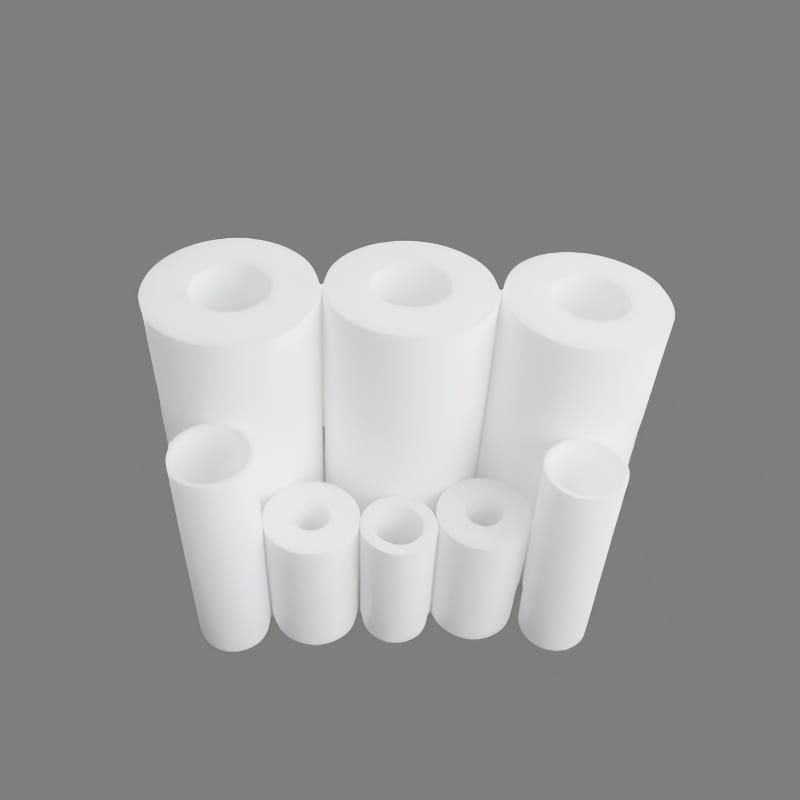
Compression Molding - PTFE Tube
Our compression molding process creates high-density PTFE components with excellent dimensional stability and mechanical properties. The process involves:
- Precise weighing and preparation of PTFE resin
- Preforming under controlled pressure
- Sintering in computer-controlled ovens at 370-380°C
- Controlled cooling to minimize internal stress
- Precision machining to final dimensions
- Rigorous quality inspection
This process is ideal for producing machined PTFE parts like PTFE valve seats, PTFE seals, PTFE bearings, and PTFE electrical insulators with tight tolerances and excellent material properties.
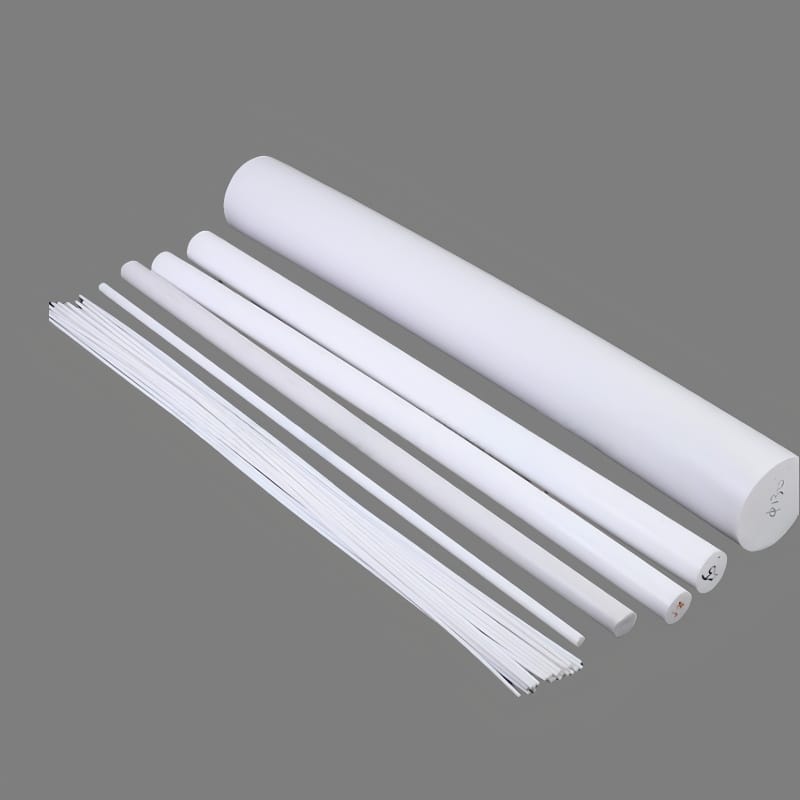
Ram Extrusion - PTFE Rod
Our ram extrusion process produces continuous PTFE rods, PTFE tubes, and PTFE profiles with consistent cross-sections and excellent material properties. The process involves:
- Precompaction of PTFE resin in a cylindrical chamber
- Hydraulic ram extrusion through precision dies
- Controlled sintering in continuous tunnel ovens
- Precision cooling to maintain dimensional stability
- In-line quality monitoring and testing
This process is ideal for producing PTFE rods, PTFE tubes, and PTFE profiles that can be further machined into PTFE gaskets, PTFE seals, PTFE bearings, and other PTFE components requiring consistent material properties throughout.
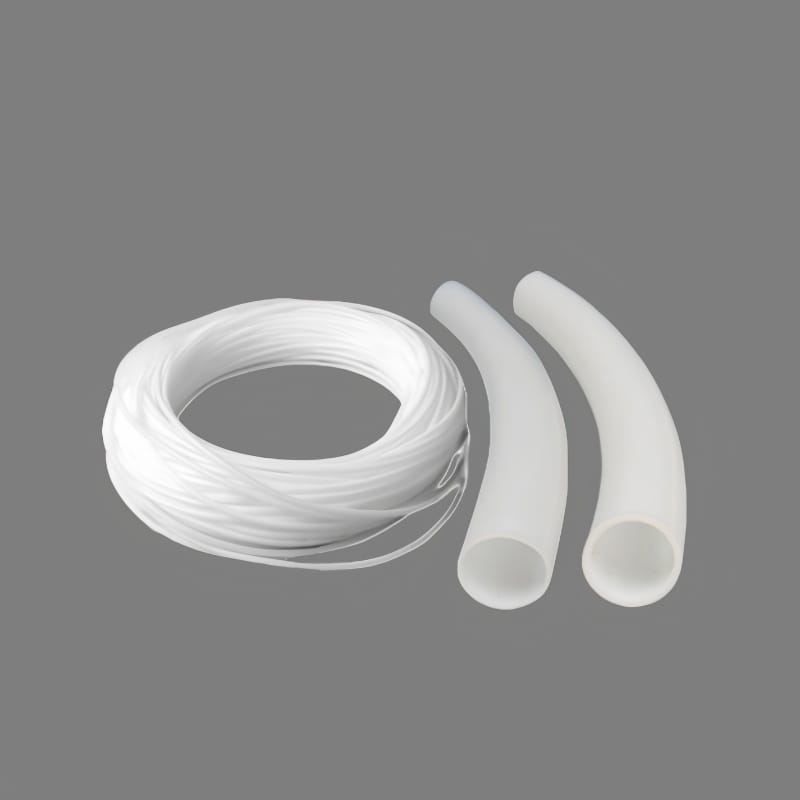
Paste Extrusion - PTFE Pipe
Our paste extrusion process creates thin-walled PTFE tubing and complex PTFE profiles with excellent dimensional control and material properties. The process involves:
- Blending fine PTFE powder with a lubricant
- Preforming into a billet under controlled pressure
- Extrusion through precision dies
- Lubricant removal in controlled drying ovens
- Sintering at precisely controlled temperatures
- Dimensional verification and quality testing
This process is ideal for producing thin-walled PTFE tubing, PTFE tape, and complex PTFE profiles used in chemical transfer lines, electrical insulation, and sealing applications where wall thickness control is critical.
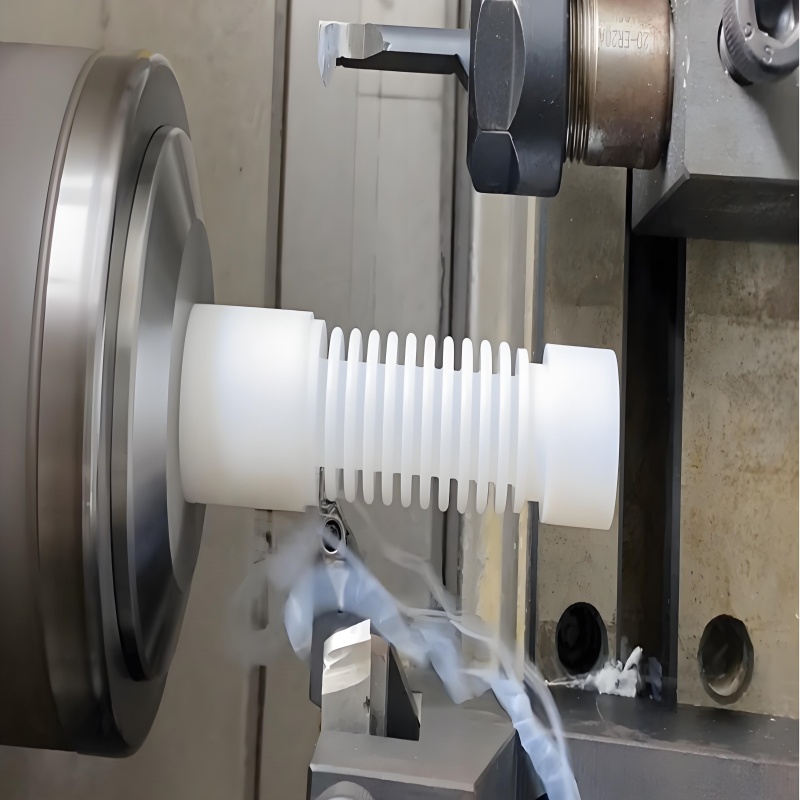
CNC Precision Machining - PTFE Bellow
Our advanced CNC machining capabilities allow us to produce complex PTFE components like PTFE seals, PTFE fastner, PTFE valve seat, PTFE bellow, PTFE gasket with tight tolerances and excellent surface finishes. Our capabilities include:
- Multi-axis CNC turning and milling
- Specialized tooling for optimal PTFE machining
- Temperature-controlled machining environment
- High-precision measurement and inspection
- Surface finish control to Ra 0.2μm
- Tolerances to ±0.025mm on critical dimensions
Our machining expertise allows us to produce complex PTFE components from molded or extruded stock, including PTFE valve seats, PTFE seals, PTFE bearings, PTFE insulators, and custom PTFE components to exact customer specifications.
Quality Assurance of Machined PTFE Components
Our comprehensive quality management system of PTFE components ensures consistent product performance and reliability through rigorous testing and process controls.
Material Certification
- Raw material testing and verification
- Batch traceability documentation
- Material property verification
- Regulatory compliance documentation
Process Controls
- Statistical process control (SPC)
- Automated process monitoring
- Environmental parameter control
- Process validation protocols
Testing & Inspection
- Dimensional verification
- Mechanical property testing
- Functional performance testing
- Non-destructive examination
ISO 9001:2015
Quality Management
ISO 14001:2015
Environmental Management
AS9100D
Aerospace Quality Management
Frequently Asked Questions About PTFE components
Get answers to common questions about PTFE materials, applications, and our manufacturing capabilities.
PTFE offers a unique combination of properties that make it superior to other engineering plastics for many applications:
- Exceptional chemical resistance to virtually all chemicals and solvents
- Extremely wide service temperature range (-200°C to +260°C) exceeding most other polymers
- Lowest coefficient of friction of any solid material (0.05–0.10)
- Excellent electrical insulation properties with low dielectric constant
- Non-stick surface properties due to extremely low surface energy
- Biocompatibility for medical and food contact applications
While PTFE offers exceptional properties, it does have some limitations:
- Lower mechanical strength compared to some engineering plastics and metals
- Creep (cold flow) under load, especially at elevated temperatures
- Poor radiation resistance; degrades under high radiation exposure
- Difficult to bond using conventional adhesives due to non-stick nature
- Higher cost than many plastics, though often offset by performance benefits
We offer several grades of PTFE to meet specific application requirements:
- Virgin PTFE: Unfilled PTFE with maximum chemical resistance and low friction
- Glass-Filled PTFE (15–25%): Enhanced dimensional stability, lower creep
- Carbon-Filled PTFE (5–25%): Improved thermal conductivity and wear resistance
- Graphite-Filled PTFE (5–15%): Low friction with added lubrication properties
- Bronze-Filled PTFE (40–60%): Increased hardness and compressive strength
- MoS₂-Filled PTFE: Good wear resistance and mechanical strength
- FDA Compliant PTFE: Certified for food and pharmaceutical contact
Tolerances depend on manufacturing method and part geometry. Common values:
- Molded parts: ±0.2 mm up to 100 mm; tighter with machining
- Machined parts: ±0.025 mm possible with proper tools/environment
- Extruded parts: ±0.1 mm standard, larger parts may vary more
- Thin-wall tubing: ±10% wall thickness typical for paste extrusion
Note: PTFE expands significantly with temperature (12–15 × 10⁻⁵/°C), which must be considered in critical fits.
PTFE and PEEK are both high-performance polymers, but they serve different needs:
| Property | PTFE | PEEK |
|---|---|---|
| Max Service Temp | 260°C | 250°C |
| Chemical Resistance | Excellent (universal) | Very good (limited acids) |
| Friction Coefficient | 0.05–0.10 | 0.35–0.40 |
| Tensile Strength | 20–30 MPa | 90–100 MPa |
| Creep Resistance | Fair | Excellent |
| Wear Resistance | Moderate | Excellent |
| Processability | Non-melt processable | Injection moldable |
Use PTFE when extreme chemical resistance and low friction are critical. Use PEEK when mechanical strength and precision are paramount.
Our PTFE components are produced under certified systems and meet global regulatory requirements:
- ISO 9001:2015 – Quality Management System
- ISO 14001:2015 – Environmental Management System
- AS9100D – Aerospace Industry Certification
- FDA 21 CFR 177.1550 – Food Contact Compliance
- USP Class VI – Medical and pharmaceutical grade
- REACH & RoHS – Environmental and safety compliance
- 3-A Sanitary Standards – Food & beverage process suitability
We provide certificates of conformance, test reports, and full batch traceability upon request.